London · Private Physiotherapy

Concussion


A concussion is a recoverable injury.

You just need the right stimulation, the right guidance, and a programme built around you — not a generic protocol.

Book Appointment
Is This You?

You might be in the right place if…

Concussion affects everyone differently. You don't need to have been knocked out. If any of these sound familiar, we can help.

  • You've recently had a head injury from sport, a fall, or a car accident
  • You're experiencing headaches, brain fog or difficulty concentrating
  • You're sensitive to light, noise, or overwhelmed in busy environments
  • You're feeling dizzy, off-balance, or experiencing visual overwhelm
  • You have neck pain, stiffness or cervicogenic headaches
  • You've been told you have post-concussion syndrome
  • You're struggling with sleep, fatigue or persistently low energy
  • You're struggling emotionally — anxiety, low mood, feeling unlike yourself
  • You don't know when or how to safely return to exercise or sport
  • You've had multiple concussions and worry about long-term effects
Where Do You Start?

Two starting points.
Two different approaches.

Where you are in your recovery determines everything — the assessment, the treatment, and the pace. Tell us where you are and we'll meet you there.

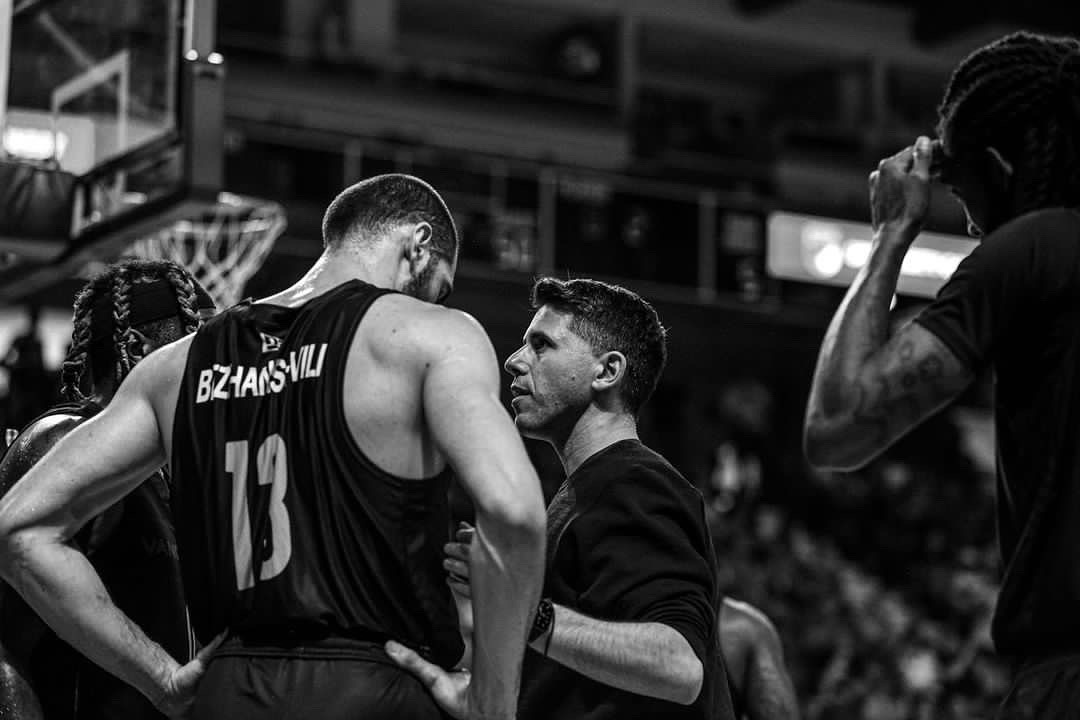
Kosta Ikonomou attending to an injured basketball player courtside
Within 3 weeksStarting Point One

My injury just happened.

The early days are the most uncertain. Symptoms shift, advice is inconsistent, and it's hard to know what's safe. But one thing the research is clear on: people who get the right advice early recover faster, return to sport sooner, and experience fewer persistent symptoms.

Leddy et al. found that patients who began guided aerobic exercise within 10 days of injury recovered significantly faster than those who rested. Separate research has shown that delayed or incorrect management — particularly prolonged rest — is one of the strongest predictors of developing post-concussion syndrome.

The window after your injury matters. Getting the right assessment now — not in a few weeks — is the single most effective thing you can do for your recovery.

Learn More
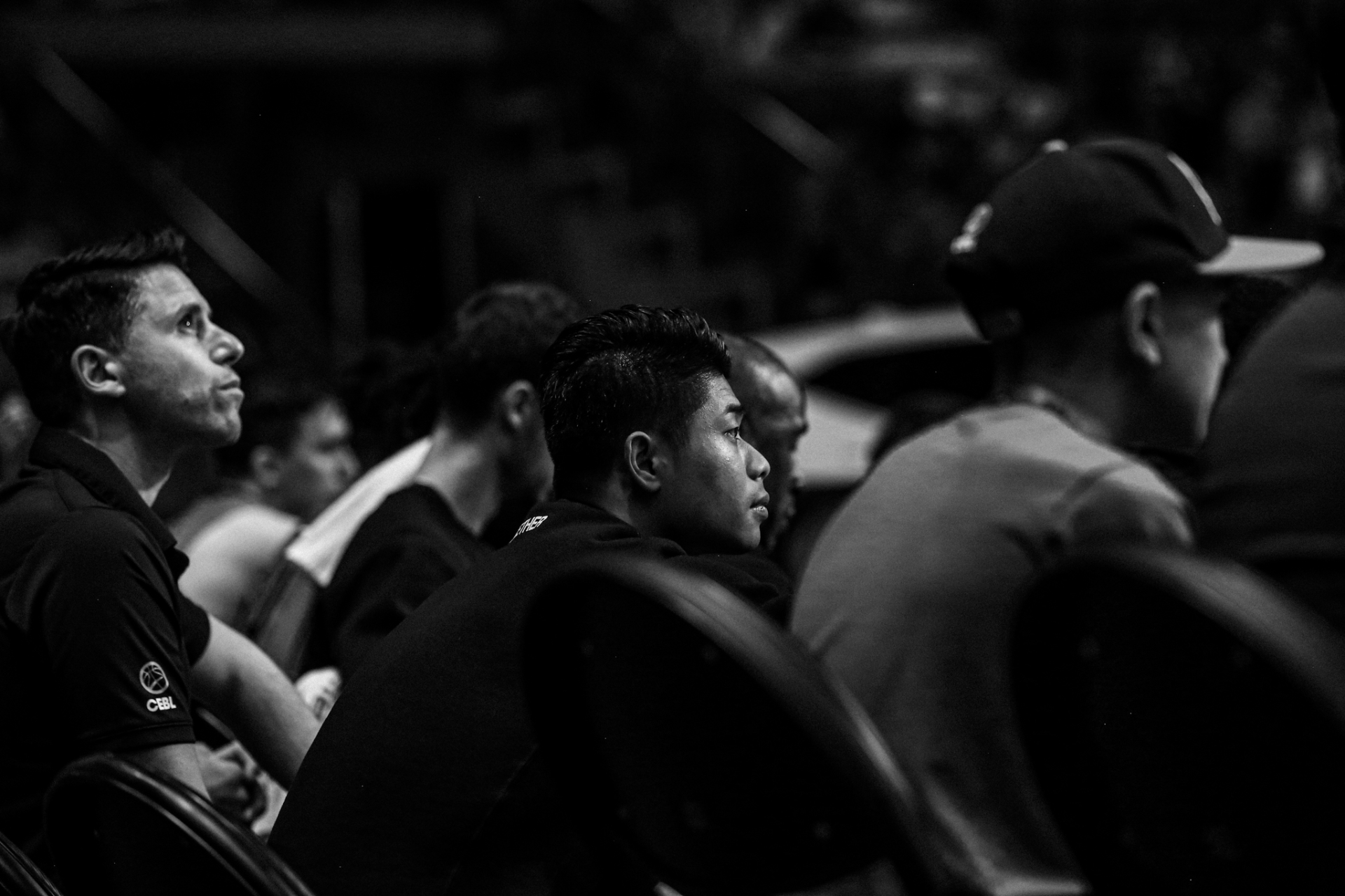
Kosta Ikonomou on the bench during a CEBL basketball game
Weeks, months or longerStarting Point Two

I'm still not right.

Symptoms that persist beyond a few weeks need a different approach. Not more rest — a systematic assessment of every system that could be driving your symptoms, and a targeted plan to address each one.

When symptoms go on long enough, your nervous system can become sensitised — stuck in a heightened state of alert that keeps symptoms alive even when the original injury has settled. At the same time, most people gradually compensate: avoiding movement, reducing activity, stepping back from the things they love.

Breaking that cycle requires a targeted approach — one that addresses the specific drivers keeping you stuck, rebuilds your physical capacity safely, and gets you back to the healthiest, most active version of yourself. Most people who feel stuck simply haven't had the right assessment yet.

Learn More
Our Approach

A complete picture of your concussion

No two concussions are the same. We assess every system that can be affected — so nothing gets missed.

Neck Function

The cervical spine is frequently involved in concussion. Neck pain and stiffness can drive ongoing symptoms.

Cervical Spine

Vision & Eye Tracking

How your eyes move, focus and coordinate — often disrupted after a concussion.

Oculomotor System

Balance & Dizziness

Your inner ear and balance system — a key driver of post-concussion symptoms.

Vestibular System

Energy & Autonomic Function

Heart rate, sleep, fatigue and exercise tolerance — regulated by the autonomic nervous system.

Autonomic System

Emotional Wellbeing

Anxiety, low mood and emotional changes are a recognised part of concussion recovery — not a sign of weakness.

Neurocognitive System

How We Work

Choose how you'd like to be seen

In clinic, remotely, or at home.

In Clinic

Hands-on assessment and treatment at our London clinic.


Insurance accepted
London location

Telehealth

Remote sessions via Jane App, available to patients anywhere in the world.


Insurance accepted
Available worldwide
Premium

Home Visits

Private in-home sessions in Notting Hill and Kensington.


Chelsea & Westminster Borough
Private pay only
Getting Started

What happens when you book

Clear steps. No uncertainty.

01

Initial Assessment

  • Full history of your injury and current difficulties

  • Assessment of all relevant subsystems — cervical, vestibular, visual, autonomic and neurocognitive

  • A clear problem list built from findings — nothing assumed, nothing missed

  • You leave with appropriate advice and the start of a home exercise programme

02

Your Treatment Plan

  • Tailored entirely to your findings, your goals and your life

  • No two brain injuries are the same — your programme reflects that

  • Targets each driver identified in your assessment — not a generic concussion protocol

  • Progressed at a pace that works for your brain, your schedule and your recovery

03

Ongoing Care

  • Clear outcome measures used from the start and reviewed at every stage

  • Progress is tracked objectively — you always know if things are moving in the right direction

  • Your plan adapts as you improve — nothing stays static

  • Guided return to work, sport and life — with criteria-based milestones, not guesswork

Sessions available in 30 and 60 minute appointments

Client Stories
"Kosta helped me through one of the most challenging chapters of my life. Not only did he help me heal, he was an incredible support throughout the whole process."

Brittany S.

★ ★ ★ ★ ★

WATCH

Understanding concussion and what happens next.

Have a specific question? Browse our full FAQ on the acute concussion page or the persistent symptoms page.

Ready to begin?

Take the first step.

Book an appointment or get in touch — we'll find the right approach for you.